
This year begins with attention. I enter it aware that writing is not a destination, but a practice one shaped by curiosity, patience, and a willingness to listen.
I do not begin with answers. I begin with questions, with observation, and with a commitment to stay present to what unfolds. These pieces will be shaped by revision, reflection, and the understanding that meaning often emerges slowly.
What follows is part of an ongoing journey. I offer this work in the spirit of exploration, trusting that clarity will come not from haste, but from care.
Kat
My stories focus on the people of the islands of Indonesia, how they live, how they survive in the jungle, and the work that shapes their daily lives. I am drawn to places where life is lived close to the land, and to the often unseen relationships between people, animals, and environment.
Animals are an integral part of these stories, particularly cats, the affection many communities have for their local cats, and the way domestic animals coexist alongside larger wild jungle cats and other wildlife. These relationships speak to a wider ethic of coexistence, one that asks for attention, respect, and compassion toward all living beings.
Through travel and presence, I seek to bear witness rather than explain, allowing stories to emerge from observation and lived experience. I am especially interested in out-of-the-way places and everyday lives that are rarely centred, believing that widening our circles of compassion begins with listening closely.
I hope to connect with free-spirited travellers and writers who are curious about local cultures and willing to look beyond familiar paths. Above all, I aim to share stories that offer insight into Sumatra and other parts of Indonesia, its people, their resilience, and the quiet wisdom found in simpler ways of living.
Kat.
This year has been one of quiet exploration. Through writing, revising, and returning to ideas that mattered to me, I found myself paying closer attention to language, to nature, and to the stories that ask to be told gently rather than loudly.
Some of these pieces began as questions rather than answers. Others emerged from curiosity, concern, or a simple need to bear witness. What connects them is a growing understanding that writing is not about perfection, but about presence, staying with an idea long enough for it to reveal its shape.
This work reflects where I have been in 2025, learning, refining, and allowing my voice to deepen with time. I share it in the hope that it invites the reader to pause, reflect, and perhaps listen a little more closely to the world we share.
Kat

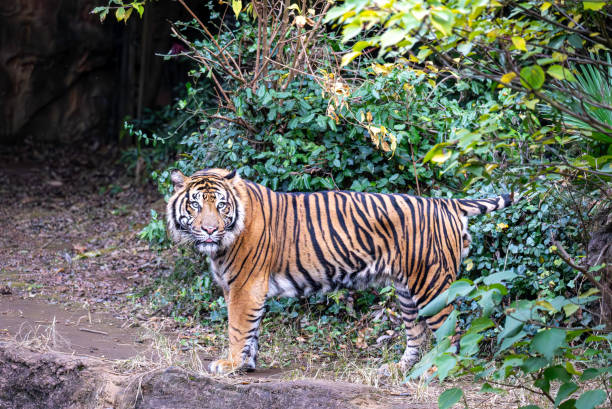
Lowland forests, mountain slopes, and peat swamps form the last refuge of the Sumatran tiger.
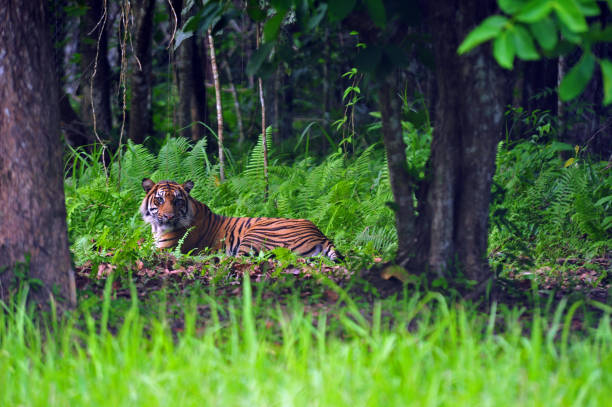
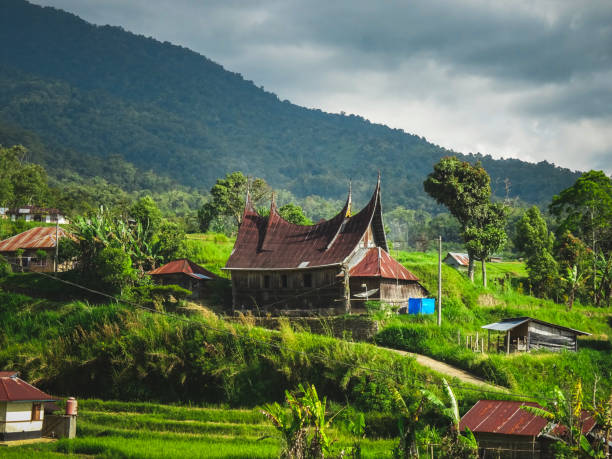
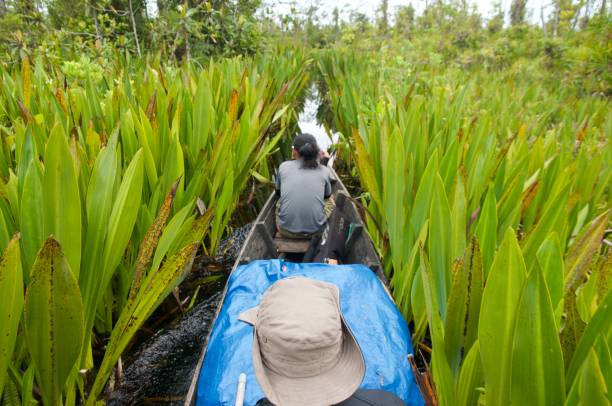
The Sumatran tiger (Panthera tigris sumatrae) survives in only one place on Earth, the Indonesian island of Sumatra.
Here, among tropical rainforests, mountain slopes, freshwater swamps, and peatlands, the last of its kind moves through a shrinking world, powerful, elusive, and critically endangered.
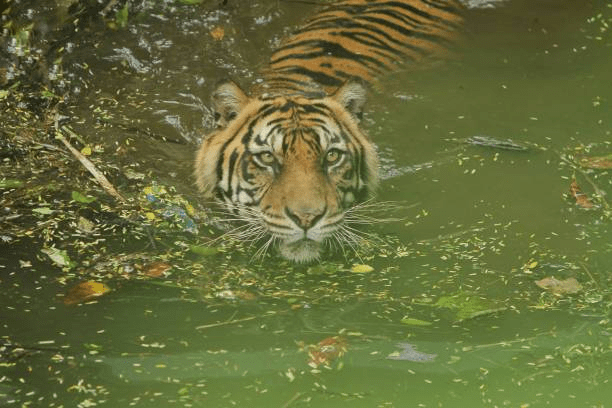
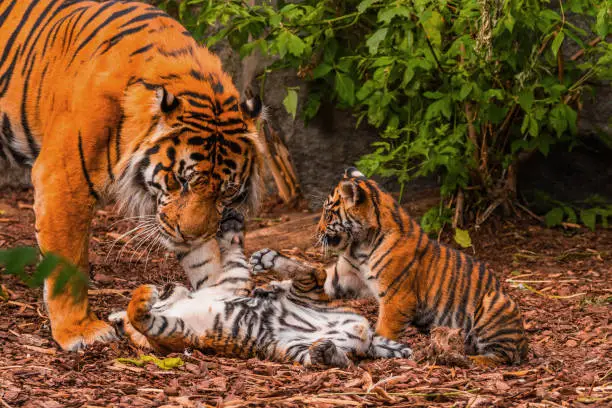
Captive breeding programs play a vital role in preserving the future of the species.
Reproduction is one of the species’ greatest vulnerabilities. Although a tigress may give birth to between one and six cubs, one or two is the most common outcome. This slow reproductive rate means that populations decline rapidly when adult tigers are lost to poaching. While international conservation breeding programs help preserve genetic diversity, it is vital that Sumatran tigers are also able to breed freely in the wild, where natural behaviors and ecological balance are maintained.
Confirming births in the wild is challenging. Tigresses are intensely protective of their young and keep them hidden from danger for months. As a result, newborn cubs are usually detected only through remote camera traps. Since the release of a female tiger named Corina back into the wild, there have been no confirmed sightings of her with cubs. However, the absence of evidence does not mean absence of life. Cubs may remain concealed, unseen, protected by their mother and the forest itself.
Encouragingly, recent studies conducted in remote Sumatran jungles suggest that in certain protected areas, tiger populations may be slowly recovering. Enhanced monitoring, increased patrols, and the removal of snares have begun to reduce mortality rates. While progress is fragile, it represents a rare and valuable shift toward stability.
Protection, monitoring, and snare removal are helping some populations recover.
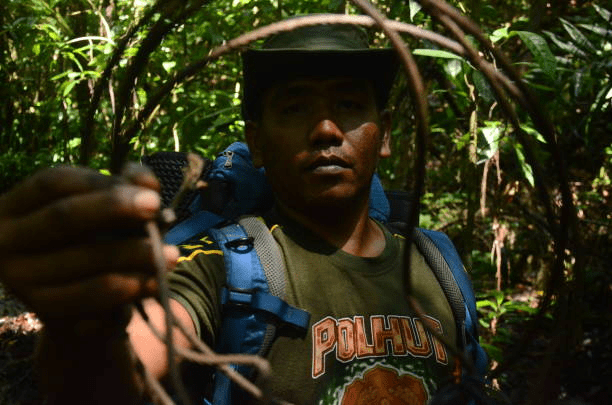
Forest Rangers

Captive births also play a critical role in conservation efforts. In Bukittinggi, West Sumatra, two Sumatran tiger cubs were born at the Taman Marga Satwa Budaya Kinantan Wildlife Park. The first cub was born on December 28, 2024, followed by a second on May 3, 2025. These births were later marked symbolically when Indonesian Minister of Forestry Raja Juli Antoni and Titiek Hediati Soeharto, Chair of Commission IV of the House of Representatives, named the cubs Lestari and Rizki, reflecting hopes for sustainability and good fortune.
The cubs are the offspring of Bujang Mandeh, a male tiger rescued after being caught in a poacher’s snare in Pesisir Selatan. The injuries were severe, requiring the amputation of his leg to save his life. Their mother, Mantagi, was herself born at the wildlife park as part of a long-term conservation breeding program. With the addition of these cubs, the park now houses eleven Sumatran tigers, making it one of the most significant conservation centers for the species on Sumatra. The facility operates in close partnership with the West Sumatra Natural Resources Conservation Agency under Indonesia’s Ministry of Forestry.
Despite these efforts, cultural beliefs continue to threaten the species’ survival. Across many Asian societies, the tiger has long been revered as an apex predator and a symbol of power, courage, vitality, and protection. Written records dating back to the Han Dynasty (184–220 C.E.) describe beliefs that consuming tiger parts could transfer these qualities to humans. Despite the complete absence of scientific evidence supporting such claims, demand for tiger body parts persists, driven by traditions that have endured for centuries.
The future of the Sumatran tiger depends on confronting these myths while strengthening conservation efforts. Each cub born, whether in the wild or in captivity, represents a meaningful step away from extinction. Yet survival remains precarious. Without continued protection of habitat, strict enforcement against poaching, and a cultural shift away from destructive beliefs, even the most hopeful signs may fade.
The survival of the Sumatran tiger ultimately reflects humanity’s relationship with the natural world. In the quiet forests of Sumatra, where shadows move and silence speaks, the fate of this great predator remains uncertain.
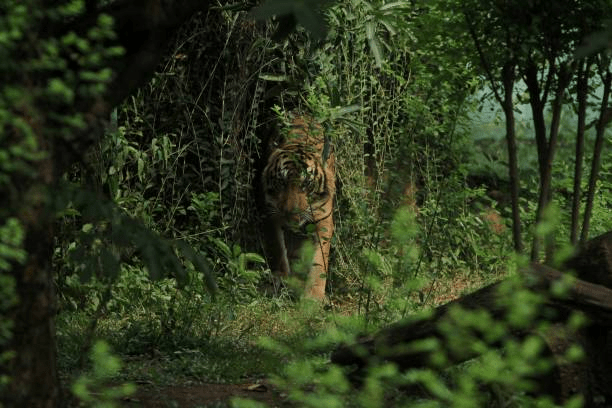
For now, hope still walks softly through the jungle. Whether it endures depends on what we choose to protect.
Written with respect for the forest and the lives it shelters.
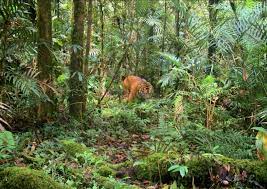
A Sumatran tiger moves through the last forests it has ever known.
The jungle of Sumatra breathed before the sun rose.
Mist curled upward from peat swamps, winding around the buttressed roots of ancient trees. Water dripped patiently from leaf to leaf. And somewhere, deep within that green cathedral, a Sumatran tiger moved without sound.
This island was her last kingdom.
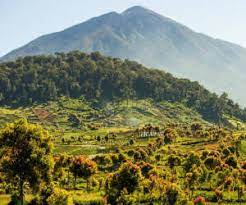
The jungles of Sumatra, ancient, breathing, and increasingly fragile.
From the dense lowland forests to the shadowed sub-mountain slopes and the high, mist-bound ridges, the land shaped her every step. She was born to solitude and secrecy.
A tigress gives little to the world, one cub, perhaps two, rarely more, and guards them with a ferocity older than memory itself. She hides them deep in tangled undergrowth, far from rival males, far from men, far from death. And yet death stalks her kind relentlessly. A single snare, a single gunshot, can erase generations. That is why their numbers fall so quickly. That is why every birth is counted like treasure.
Since Corina’s return to the wild, the forest has kept her secrets. No ranger has seen cubs at her flank. No human eye has witnessed her nursing young beneath the leaves. But hope remains. It always does in the jungle. Only the unblinking eye of a camera trap may one day reveal a flicker of stripes in the night, proof that life continues where silence reigns.

Proof that hope still moves in the dark.
Caught by a silent camera

Elsewhere, far from Corina’s hidden den, hope took a different form.
In Bukittinggi, beneath watchful human care, a tigress named Mantagi lay in shadow as the year turned. On December 28, 2024, she gave birth. A cub slid into the world, small, blind, and roaring with life. Months later, on May 3, 2025, another followed. Two cubs. Two fragile defiances against extinction.

Every cub born is a quiet rebellion against extinction.
They would later be named Lestari and Rizki, words heavy with promise, spoken aloud by Indonesia’s leaders as symbols of sustainability and blessing. Names chosen with care, as though language itself might strengthen fate.
Their father, Bujang Mandeh, bore scars that told a darker story. Once a hunter of the forest, he had been caught in a poacher’s snare. Steel teeth closed around his leg, and the injury was merciless. They had to amputate his leg to save his life. He survived, diminished, but alive, and through him the future breathed again.
With the birth of Lestari and Rizki, the Taman Marga Satwa Budaya Kinantan Wildlife Park became home to eleven Sumatran tigers, a stronghold against oblivion. Working alongside conservation authorities, the park stood as a reminder that humans could also be guardians, not only destroyers.

RANGER REMOVING SNARE
Beyond its fences, in the remote jungles where rain hammered leaves like drumbeats of war, signs of renewal began to emerge. Rangers cut snares from the earth. Camera traps captured fleeting images of striped ghosts moving through the dark. In a few fiercely protected places, the numbers whispered of recovery, slow, uncertain, but real.
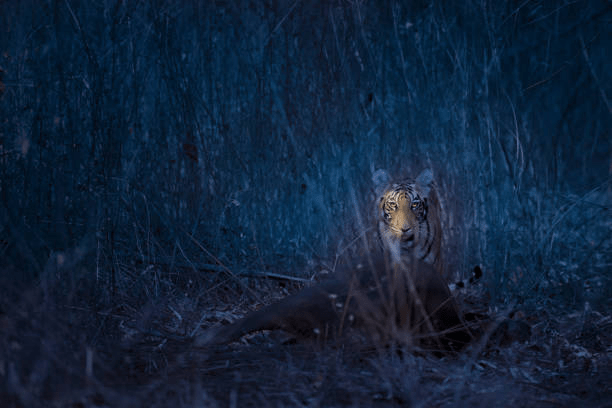
Yet the greatest enemy of the tiger is not the jungle.
It is belief.
For thousands of years across Asia, the tiger has been revered as a creature of power, courage, and protection. Ancient records from the Han Dynasty speak of men who believed that by consuming the tiger, they could steal its strength. No science ever supported the myth, but myths are stubborn things. They outlive logic. They survive time. And they continue to feed a trade soaked in blood.
So the tiger lives caught between reverence and ruin, praised as a symbol, hunted as a commodity.
Still, the jungle endures.
Somewhere in the depths of Sumatra, Corina moves silently through fern and shadow. Somewhere else, two cubs grow stronger, their stripes darkening, their claws sharpening against the earth.
The story of the Sumatran tiger is not yet finished. It is written in scars and survival, in ancient forests and fragile hope.
And for now, against all odds, the last tigers of Sumatra still breathe beneath the trees.
Editor’s note:
The story above speaks to the unseen life of Sumatra’s last tigers. A companion essay explores the realities behind this world, conservation, cub births, and the beliefs that continue to shape their fate.
Written with respect for the forest and the lives it shelters.


Nestled high in the heart of North Sumatra, there is a place so breathtaking it feels like a dream, called Lake Toba. Surrounded by a protective ring of emerald mountains, the lake stretches endlessly, shimmering like polished glass under the changing sky, the largest and most beautiful lake in Indonesia.
The air here is cool and crisp, even in the warmth of the afternoon sun. Time slows down, and there is a hush to the world as though the mountains are holding their breath, guarding something sacred. The lake lies still, but there is something about it, something haunting, something eternal.
To stand by its edge is to feel something stir inside you. A sense of wonder, longing you can’t quite name.
Because Lake Toba was not always just a lake, it was once the setting of a love so deep, so powerful, and a betrayal so tragic that it changed the course of nature itself.
Here is the story of how it all began.
A story of a man, a woman, and a secret that would ripple through generations, like waves across the water.
Each morning, just as the first light spilt over the mountains, the fisherman walked alone, quiet, with weathered hands and kind eyes that had grown used to solitude. As he cast his net into the still waters with little expectation, save for the simple hope of enough fish to carry him through another day.

But that morning was different.
The sky was soft with early morning light, and the lake shimmered like liquid gold. As the fisherman pulled in his net, suddenly he saw a golden fish, unlike anything he’d ever seen. The scales sparkled like sunlight on water, luminous and surreal, as though they had drifted in from another world.
He reached for it gently, almost reverently, just as his hands closed around it, something extraordinary happened.

“Please do not hurt me,” said the fish, with a voice soft, melodic, filled with sorrow and something ancient.
“I’m not truly a fish,” the voice continued, “but a woman cursed long ago.”
He stared in disbelief, heart pounding. Then, without a sound, the shimmering body in his hands began to change. Brightness swirled around her, warm and blinding, and in a heartbeat, she was there.

The fisherman froze.
A woman.

Radiant, ethereal, with eyes that held the depth of centuries of sadness that reached into his soul. Hair falling in waves like the water around them, and her presence was both fragile and powerful, like something out of a forgotten dream.
He had never seen anyone so beautiful. Though neither of them knew it yet, from that moment on, everything would change.
She smiled at him, her eyes soft with gratitude. “Because you showed me kindness,” she said gently, “I’m free now. I could stay with you, and we could make a happy life together. He listened, completely still, as her voice lowered into something almost fragile. “Promise you won’t tell anyone I was a fish.”
And they began their life together. It was simple, but it was real. A small house built by hand, a garden where they planted vegetables, and the sound of shared laughter echoing through the days. Joy in the little things, in morning coffee, hands dirtied by soil, quiet glances that said more than words ever could.

Then came their child, a beautiful boy, with bright eyes and a laugh that filled the room like sunshine. He was interested in many thangs, clever, wonderfully mischievous, chased butterflies, sometimes forgot his chores, but had a good heart, and his parents loved him very much.
Years passed in the blink of an eye. Then one day, everything changed.
The fisherman returned home late, weary to the bone. The sun had been merciless, the work harder than usual, and he had waited, hungry and aching, for the lunch his son had forgotten to bring. Frustration rose like a wave inside him, and before he could stop himself, the words tumbled out.
“Lazy boy! You are nothing but the child of a fish!”
The words hung in the air like shattered glass. Time stopped.
The wind fell still, the trees stood frozen, and the light dimmed, as though the world itself had heard. And she had heard too.
From the doorway, the woman he had loved beyond reason stood silent. Her eyes, once filled with warmth, were now wide with hurt. And behind them, a deep, ancient sadness had returned, like something that had only been sleeping all these years.
He knew, in that instant, what he had done and that he could never take it back.
Tears welled in her eyes, soft, shimmering, and full of sorrow. She stood still for a long moment, looking at the man she had once trusted with her secret, the man she had built a life with.
Her voice was barely more than a whisper, but it carried the weight of everything they had shared. “You promised, and now the secret is broken.” The pain in her eyes was not anger, it was deeper than that. It was heartbreak.
She knelt, gathered her little boy in her arms, and held him close. There was a gentleness in her touch, even as her heart broke in two. “I need you to know who I truly am,” she said softly. “I was once something else, and the magic that kept me here is now gone.”
She kissed his forehead one last time, and then, like the last breath of a dream at dawn, she vanished.
The sky darkened almost instantly, turning a cold, ominous grey. Thunder cracked like a broken heart across the mountains, and rain poured down in torrents, as if the heavens themselves were grieving. Rivers rose violently, breaking their banks, and the ground trembled with the force of something far greater than man.

The fisherman ran outside, shouting her name into the wind, desperate to turn back time. But it was too late.
Water surged into the valley, swallowing fields, trees and houses. He watched helplessly as the world he knew disappeared beneath the rising flood. All was gone except for one hill, the place where their home had once stood.
That hill, now quiet and alone, remained above the water, and it became an island, still, serene, and breathtaking in the very heart of the vast lake that had formed Lake Toba.
And so, from one act of kindness, a secret, and a single broken promise, the world was given one of its most beautiful lakes.
But for those who visit, if you listen closely to the wind, you might still hear the whisper of love lost, and a promise that was once made under the mountain sky.
Written with respect for the forest and the lives it shelters.


From Paradise for King and Spitting Cobras to Oil Palm Plantations, this is nature’s exquisite balance.
I doubt if I will walk or cycle through Oil Palm plantations again, considering that there could be a King Cobra every couple of meters. Walking in the cool of the Oil Palms, my husband and I took a wrong turn, lost in the labyrinth of Oil Palm Plantations. Eventually late in the afternoon we found our way home. Later a friend told us that morning he had gone out onto his veranda to sit and enjoy his coffee. On his chair was coiled up King Cobra.
The King and Spitting Cobras are said to be the enigmatic guardians of the oil palm kingdom. The King Cobra helps balance the ecosystem by eating other venomous snakes.
Though the King Cobra is supposedly not an aggressive snake, they mainly enter the human settlements while chasing their prey. They are found in different colours from light green, black, brown and some combinations or mixture of all three. These snakes can see up to 300 feet away, so predators at a distance are at risk. Their sharp sight allows the King to thrive. A large King Cobra can look a full-grown human in the eyes, they are greatly feared by the locals, and can climb trees, swim, and move quickly across land.

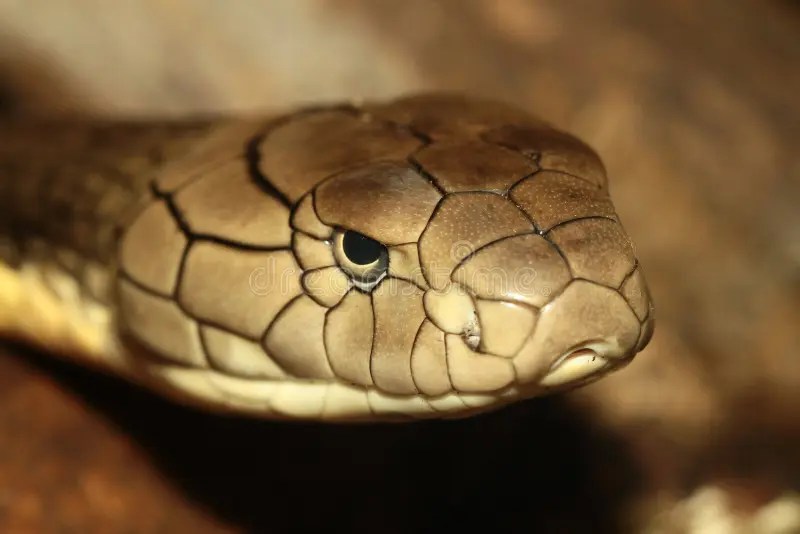
King Cobra
Most King Cobras are out in the morning after the sun rises and the outside temperature is slightly warmer.
A King Cobra will travel approximately 0.33 meters per second on the ground. One day when my husband was cycling in the oil palms, he saw what he thought was a log across the foot path, rear up into a striking position as he rode past. How lucky he was, and from this day forward he has never cycled in the oil palms again.
Indonesia has the second-highest number of snakebite incidents worldwide, resulting in over eleven thousand deaths annually.
You can site a cobra a day if you look hard enough. Locals climb the oil palm to harvest the fruit to sell. Often, they will also get spat in the eyes by a Spitting Cobra coiled up in a tree.
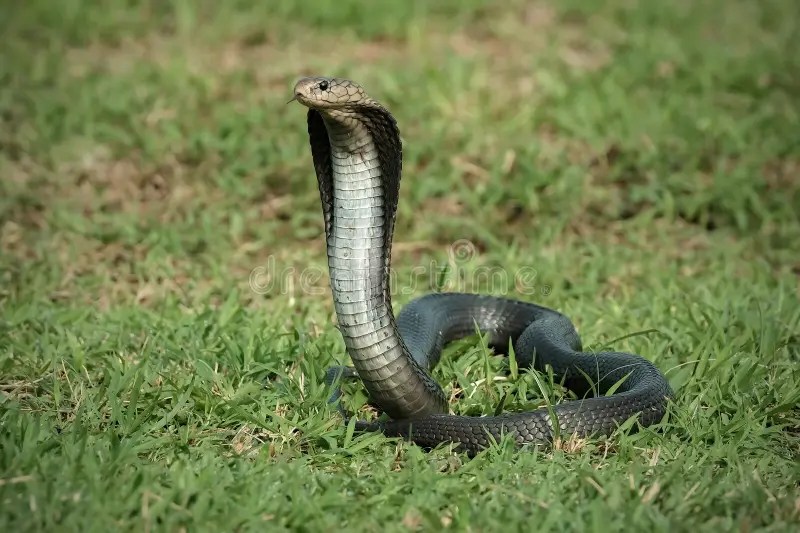

Javan Spitting Cobra.
These snakes are a vulnerable species and have been placed on the IUCN red list for protection, due to a massive trade in its skin, meat, and body parts.
A single snake bite contains enough venom to kill 20 people and can paralyse and kill animals as large as elephants.
The local people have learned to navigate the palm plantations with caution, respecting the Cobras’ territory, knowing the vital role they play in the ecosystem. So, the King and Spitting cobras of the oil palm plantations grow.
The King Cobra builds a nest of twigs and leaves, reaching a height of two feet. Within this nest it creates two distinct chambers, with the female residing in the upper chamber and diligently safeguarding her eggs in the lower chamber. This is a remarkably unique nest design, proving that the King Cobra may be one of the most intelligent snake species. My husband and I came across many of these mounds of twigs and leaves, not realising they possibly could be a King Cobras nest, with the female residing within.
Our responsibility is protecting the Earths biological riches. Like the mighty King and Spitting Cobras who are the guardians of the Oil Palm, creating natures exquisite balance. We must remind ourselves that we are entering their territory.
Written with respect for the forest and the lives it shelters.

Sengigi Beach Lombok

The moment we stepped out of Bali airport, we were surrounded by the liveliness of the crowds and the sweet aroma of frangipani and jasmine filling the air. I was looking forward to my next flight to Lombok, a quieter, more tranquil destination than Bali.
Lombok Airport felt quiet, calm, and peaceful. Even the roads weren’t busy, allowing my husband and I a leisurely drive to our lovely villa on the beach of Senggigi.
Senggigi Beach is known for its stunning sunsets, white sandy beaches, and crystal-clear waters that offer excellent opportunities for snorkelling, diving, and good surfing. The beach also has a vibrant nightlife scene, with bars and restaurants offering delicious local food and live music performances. Senggigi Beach is a gateway to various tourist attractions, such as the Gili Islands and Mount Rinjani.


Mount Rinjani

Ariel view of the Gili Islands
My husband and I hired a motorbike and explored the coastline of Lombok. It’s a quiet, calm rural island, with cows and goats grazing in small clearings near the roadside, scrawny chickens scratching in the rubbish, dogs scavenging for food or sleeping, and cats lolling about.

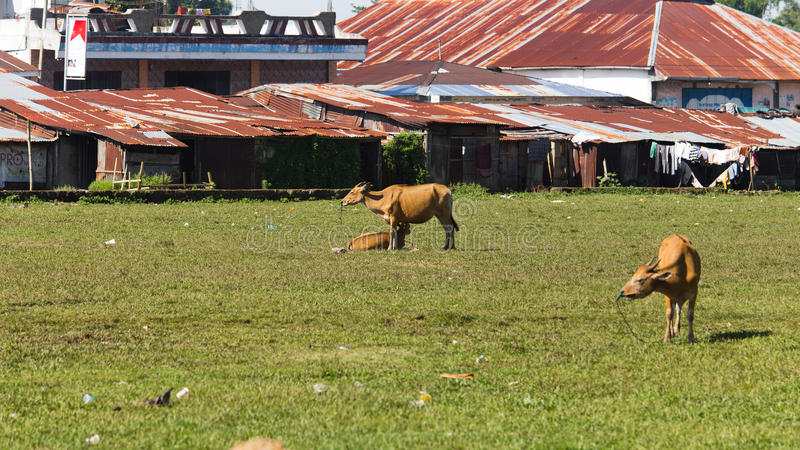
Lombok cows
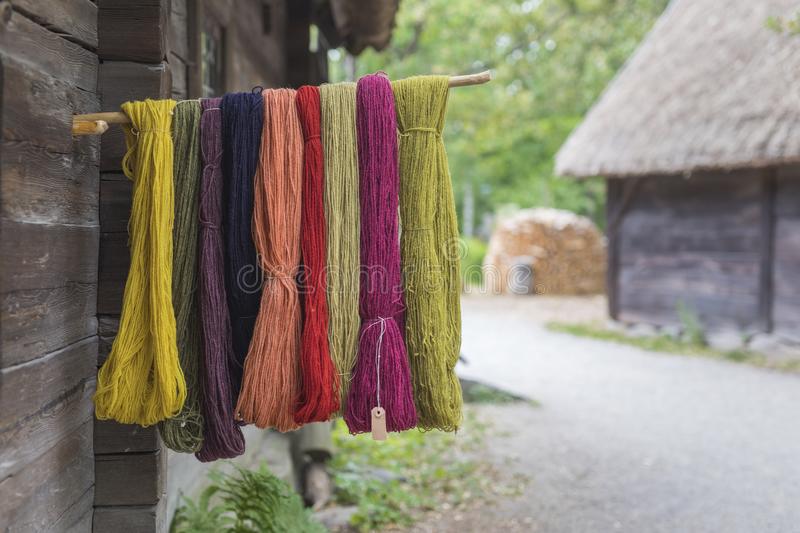
The following day we took a trip with a local family to a traditional Sukarara Village where the women create traditional hand-woven textiles, known as “ikat”. Generations have produced these woven textiles using natural plant and vegetable dyes and traditional techniques. Sukarara Villages are encompassed by serene rice paddies and lush cotton fields, in addition to their rich textile legacy.
The Sasak people are the indigenous people of Lombok, known for their unique culture, language, and customs, predominantly Muslim, but their culture is heavily influenced by animism and Hinduism.
The rich cultural heritage reflects their traditional architecture, music, dance, and cuisine. The Sasak people also have a unique style of music and dance, with performances featuring traditional instruments and colourful costumes.
Their houses are built from bamboo and thatch, with an open structure that allows for natural ventilation. The floors are made from clay, then periodically polished with wet cow dung, and left to dry. The reason for this is to ward off mosquitoes.
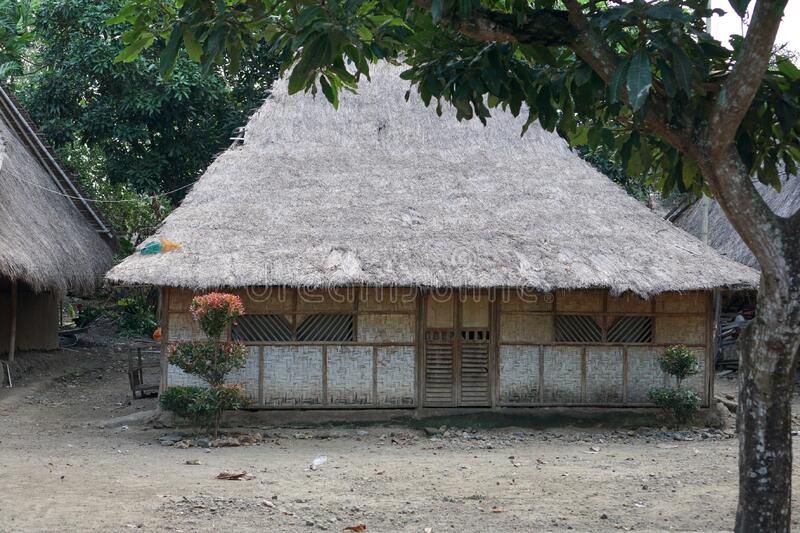
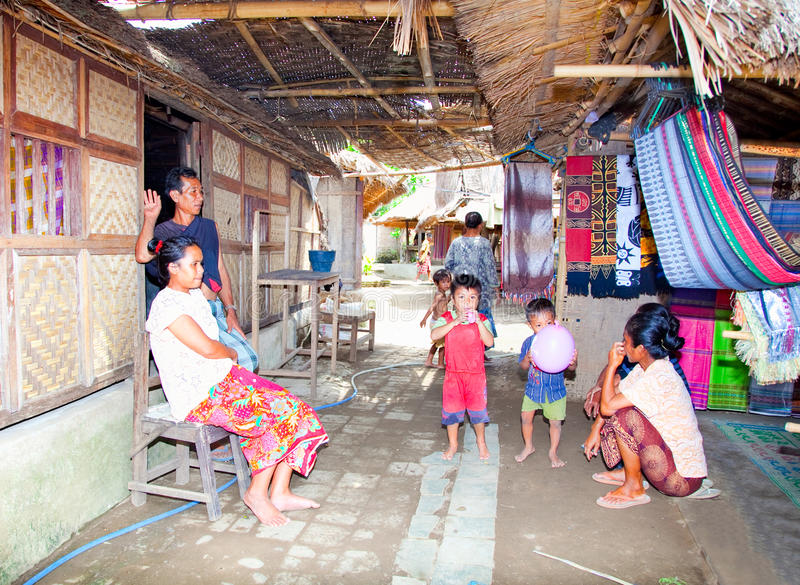
Traditional Sukarara Village


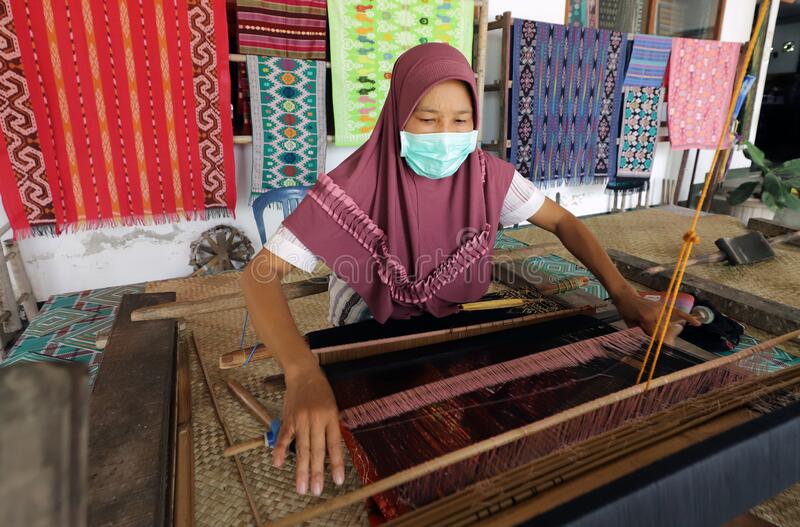
Sasak women weaving
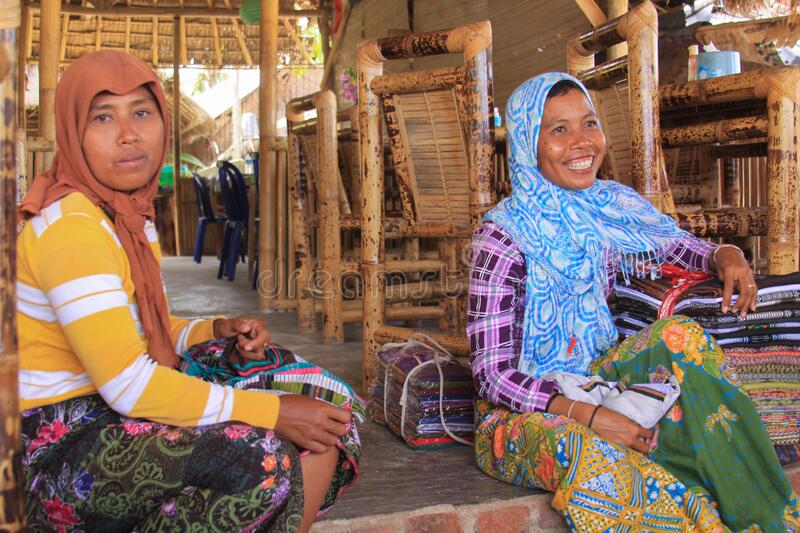
Sasak women

Sasak Tribal Women

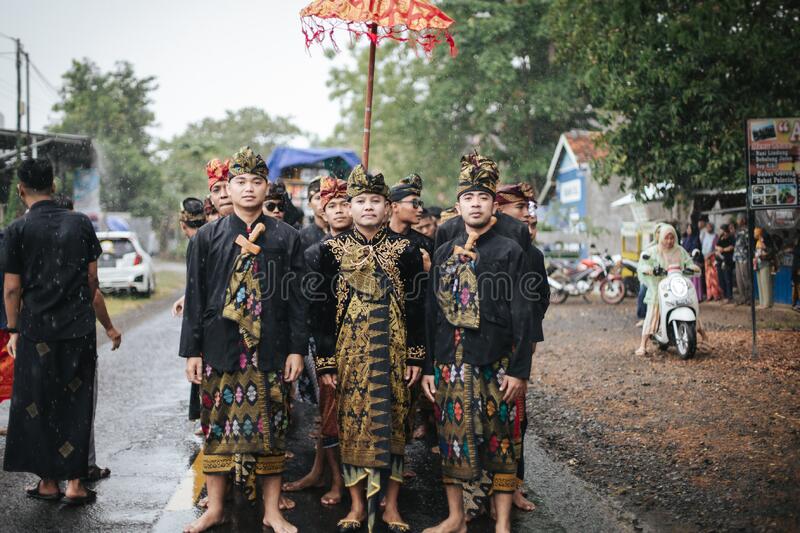
Sasak Men

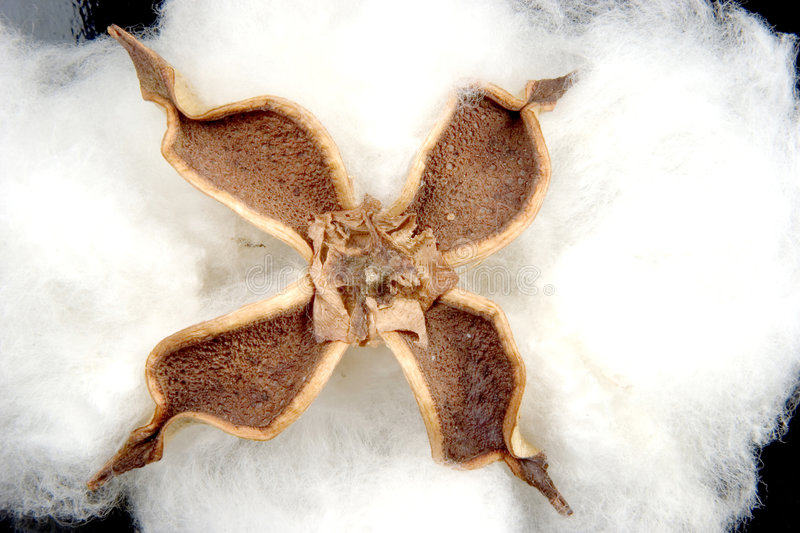
Rice paddies and cotton plant
One of the most iconic aspects of Sasak culture is their cuisine, which features spicy flavours and aromatic herbs. Some popular dishes include ayam taliwang (grilled chicken with spicy sauce and plecing kangkung (water spinach with spicy tomato sauce). We experienced this for lunch with our Indonesian friends.

Sasak culture has a long and rich history dating back a thousand years, believed to have migrated to Lombok from Java and other nearby islands around the 13th century. Over time, they developed their unique culture, language, and customs, influenced by the Hindu and Buddhist kingdoms that once existed in the region. The Sasak people also had contact with the Chinese, Arabs, and Europeans, further enriching their culture. Despite these influences, they preserved their unique identity and traditions over the centuries. Today, the Sasak culture is part of the cultural heritage of Lombok and is celebrated and preserved through festivals, music, dance, and other cultural events.
Another story told by our guide at the Sasak village was that the Sasak people intermarry with their cousins. The women remain in the Sasak village, never leaving. Their job is to do the weaving. Sometimes a Sasak man will meet a woman outside the village, he will kidnap her and bring her into the village. They will stand under “The Tree of Love” in the centre of the village to make their marriage official. These women from outside the village, once they enter, will adopt the traditions of the Sasak tribe, and never leave the village. This tradition is only adopted by the Sasak people who choose to still live in ancient traditional villages. A tradition that dates back at least four hundred years.
A young man from Lombok explained to me about seaworms, which are a delicacy of the Sasak people. Rich in protein, vitamins, and minerals, believed to have medicinal properties that can help boost the immune system and improve overall health. They are typically eaten raw or lightly cooked and served as a snack or appetizer.
The Sasak Tribe places great importance on the Bau Nyala ceremony, a time-honoured event that carries immense sacred significance. This ritual is deeply rooted in the folklore of the southern Central Lombok region.
While not everyone may find the idea of eating seaworms appealing, they are a significant part of Lombok’s culinary heritage and continue to be enjoyed by locals and adventurous visitors alike.
So the story of Mandalika was told to me by this young man from Lombok.
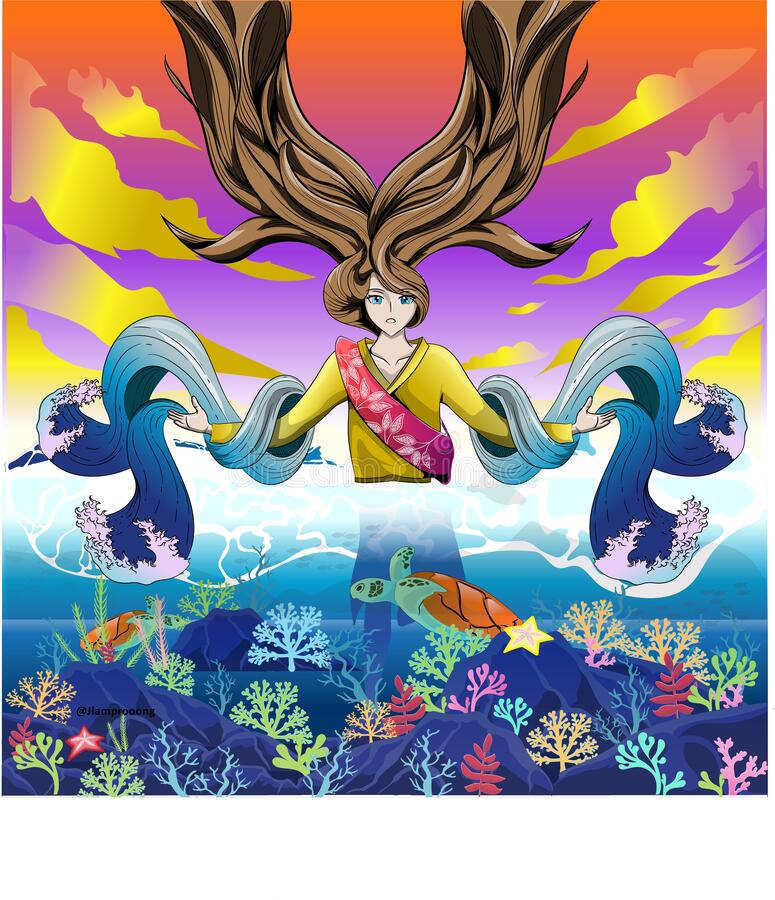

Statue of Princess Mandalika
“Putri Mandalika was a beautiful princess who transformed into a nyale worm and appeared once a year on the enchanting shores of Lombok,” he said.
It’s fascinating how the nyale worm, a legendary creature that is highly valued and venerated by the people of Lombok, is believed to represent the transformation of a gorgeous princess who was once fought for by several princes from different kingdoms within the regions.
“Putri Mandalika is the daughter of King Tonjang Beru and Dewi Seranting. This king was famous for his wisdom, people loved him very much because they lived a prosperous life. Princess Mandalika lived in a royal palace and was respected until adulthood,” he continued.
“Princess Mandalika grew into a beautiful, charming woman. Her beauty spread throughout Lombok, and Princes from various Kingdoms such as Johor Kingdom, Lipur Kingdom, Pane Kingdom, Kuripan Kingdom, Daha Kingdom, and Beru Kingdom, wanted to marry her,” he said.
“Knowing this made the Princess desperate because if she chose one prince, there would be wars and battles in the land of Sasak. Some Kingdoms even put up a senggeger, black magic used to attract women. This practice of using senggeger to attract women, including Princesses, often had unintended consequences. Instead of winning the Princess’s heart, it made her even more distraught.
After much thought, the Princess invited all princes and their people to meet at Kuta Beach Lombok on the 20th day of the 10th month, according to the calculation of the month of Sasak before dawn. The invitation was welcomed by all Princes and their subjects, and on that date, they flocked to the location of the invitation.
After a while, Princess Mandalika finally appeared, carried by the soldiers who guarded her. Then she stopped and stood on a rock on the shore. After saying her intention to receive all the princes and the people, the Princess finally jumped into the sea. All the people who were looking for her did not find her. Eventually, a clew of colourful worms appeared, revered by the locals as a manifestation of Princess Mandalika,” he said.
Mandalika proclaimed that she would offer herself to all the princes. “I can’t choose one among the princes. Destiny wills me to be something you can enjoy together, uniting you all in love and affection, in the month and date when I appear in another form of myself on the surface of this sea,” she said. These were Princess Mandalika’s last words before jumping into the sea. So, this tradition lives on.
The following day my husband and I took a ride into the hills. Crossing a small bridge, we came across a woman sitting on the side of the road under a tree, crushing rocks and hitting one against another, a difficult task for a woman. Her skin was rough, her hands calloused, a testament to years of hard labour working outside in the sun. Her face etched with deep lines and wrinkles. She appears strong and resilient despite the toll her work has taken on her body. Below the road was a dry riverbed filled with rocks. Some women collect these rocks and pile them on the side of the road, while another would sit and crush them into smaller stones. Despite how monotonous and tiresome it may feel, this woman continued to crush rocks every day without fail. These crushed rocks are sold and used for building houses or gravel for roads. The women use the money to purchase clothing, nourishing meals, and provide education for their children. It made us feel sad seeing this woman working so hard. Giving her a gift and seeing the big smile on her face made our day more meaningful.
On our last day, we took the ferry across to Bali, a trip of three hours. The boat was buzzing with the contagious energy of adventurous young travellers from far-reaching corners of the world, free and uncommitted to responsibilities. They had no fear of travelling alone in an unpredictable world.

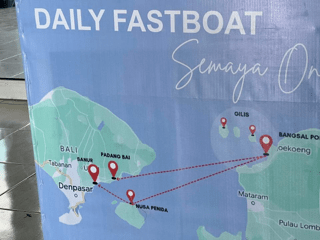
Arriving in Bali, we headed to our accommodation in Sanur. Walking along the seashore, we saw many Westerners who have made Bali their home. Dining at restaurants, walking their dogs, or jogging along the beach. They had chosen this island paradise lifestyle of health, meditation, and tranquillity without the stresses of the large cities of the Western world.
The following morning, with a touch of nostalgia, we departed from Bali, leaving behind the intoxicating scent of frangipani and jasmine, and the tranquillity of Lombok.
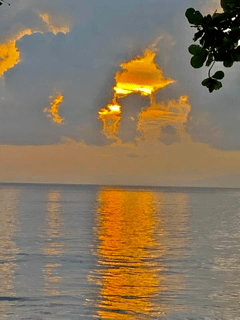
Sumatra, the largest Ireland in Indonesia, is an island of jungle, wild animals, wild rivers, and an unforgiving climate. The friendly people of Sumatra offer an array of spicy exotic dishes, loads of delicious seafood and tropical fruits. Their food is always fresh and cooked from scratch, blending the rich flavours of spices themselves. As I walk through the streets of Sumatra’s villages and cities, the smells of exotic spicy dishes waft through the air.

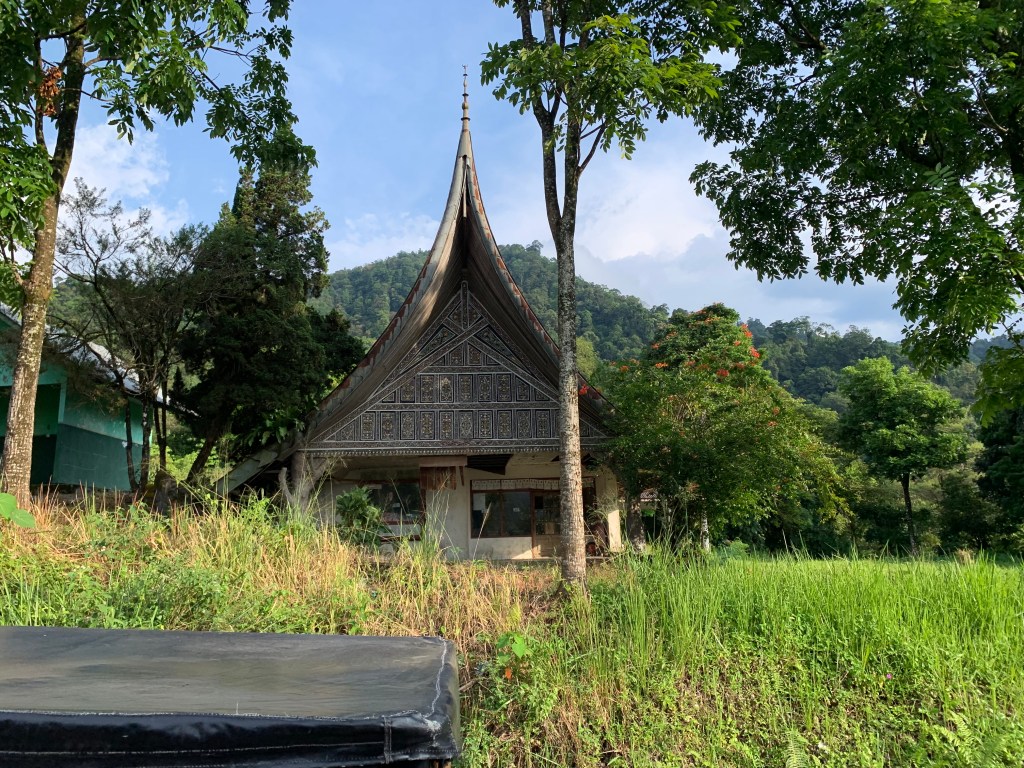
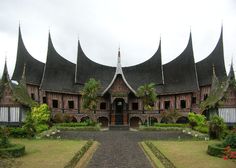
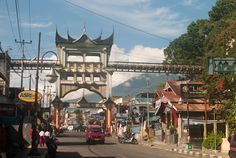
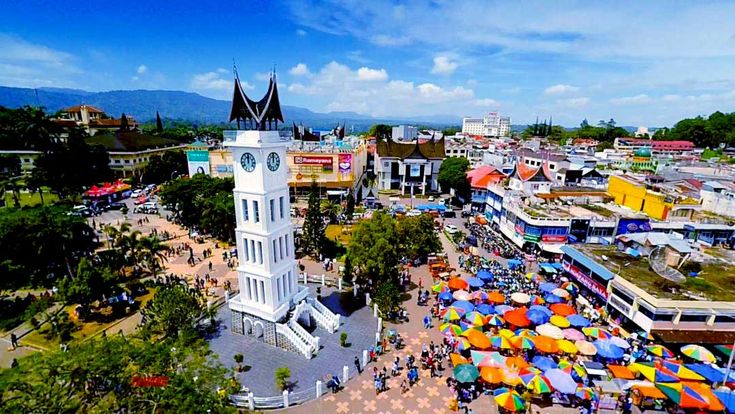
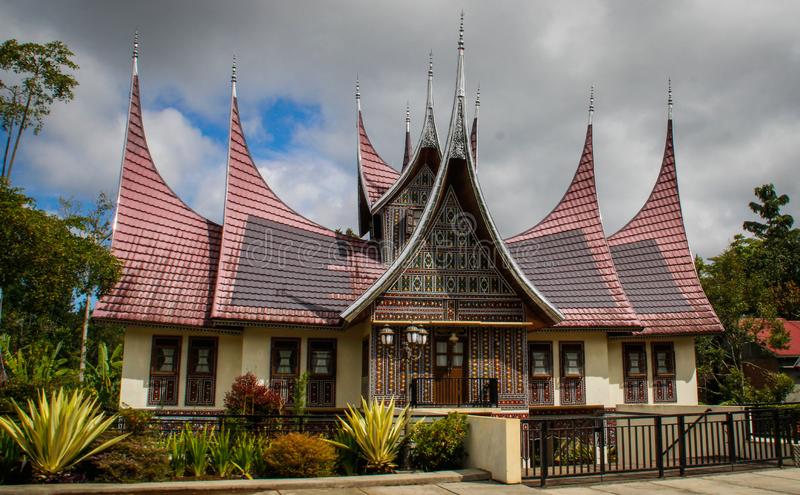
Active volcanoes and hilly rainforests dominate western Sumatra. The colourful city of Bukittinggi is a wonderful place to explore, as well as the villages and culture of the indigenous Minang people. The steep curved-roof architecture of their houses is seen throughout the area.
Due to the heavy tropical rainfall, especially during monsoon season, high pitched roofs help to prevent leeks, allowing the heavy rains to wash off the roofs. The large overhanging eaves help to keep the rain out of the houses, as well as providing shade for the house, as the tropical heat can be rather relenting.

Padang food or Minang food consists of Gulai (curry), Lado (chilli pepper) and Bareh (rice). It is the cuisine of the Minangkabau people of West Sumatra and is among the most popular food to eat. Many locals prefer to eat rice by hand along with the dishes that are served with it. They believe Padang food tastes more delicious this way, but I use a spoon and fork. The


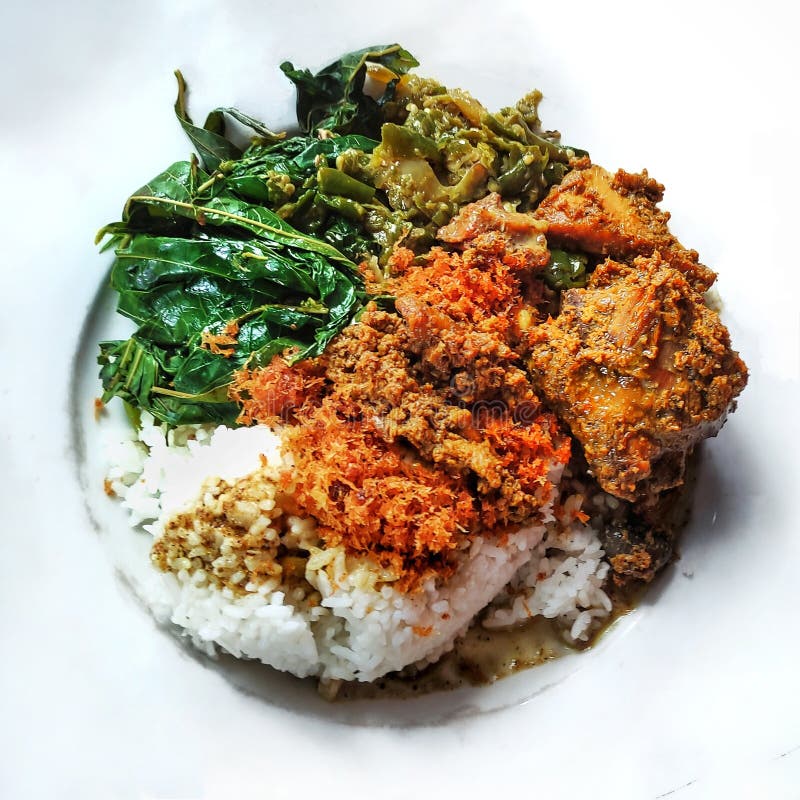
Nasi Padang is one of the best tasting foods from Indonesia
Restaurants in Masakan Padang are easily identified be the way they present their food. Plates are carefully piled for dry food, and juicy dishes like curries are placed in big metal bowls or trays. Plates are displayed in the shop window and visible from the street. Most of these restaurants are open from morning till evening, serving the food throughout the day. The food is served at room temperature and the rice is kept warm.

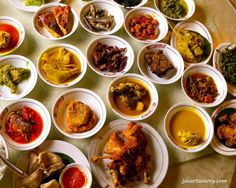

Masakan Padang cuisine’s most popular curry is made with unripe jackfruit (gulai Nangka) cooked with coconut milk, creating a rich delicious curry with a mix of sweet, spicy and fresh flavours. This food is also sold at the local markets.
Hidang is when all the dishes available are served in small plates that are placed at the table, sometimes amounting to ten different dishes. At the end of the meal, you just pay for what you have eaten. This is a popular way to eat when there is a group of people, family, or friends, as the portions served are much bigger.

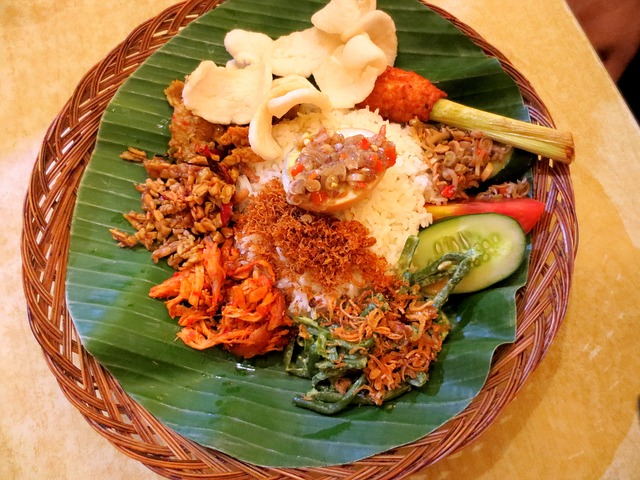


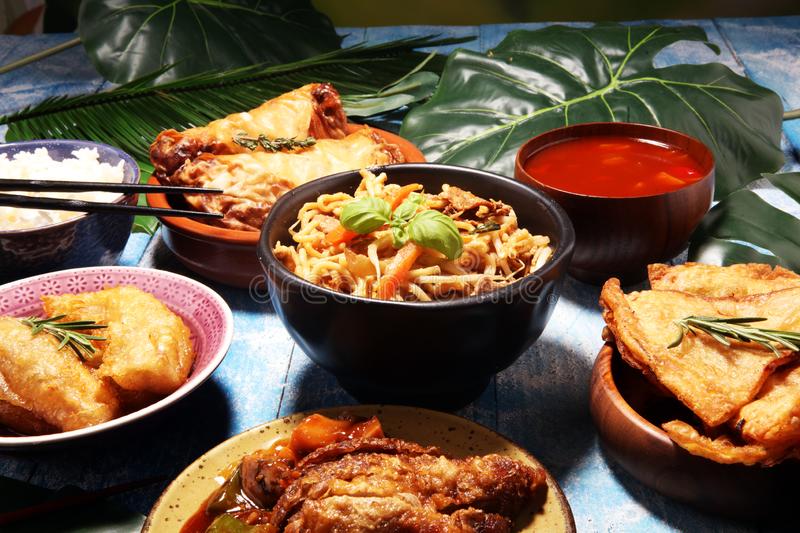
Medan being Indonesia’s fourth-largest city after Jakarta, Surabaya and Bandung, and the largest Indonesian city outside of Java, is located on Sumatra’s northern coast. Batak and Chinese culture blend seamlessly in its beautiful architecture and in its mouth-watering cuisine. Chinese fried noodles are served with a variety of chicken, pork, shrimp, squid, and scallops. Chewy and thicker rice noodles are used instead of regular noodles made of tapioca.

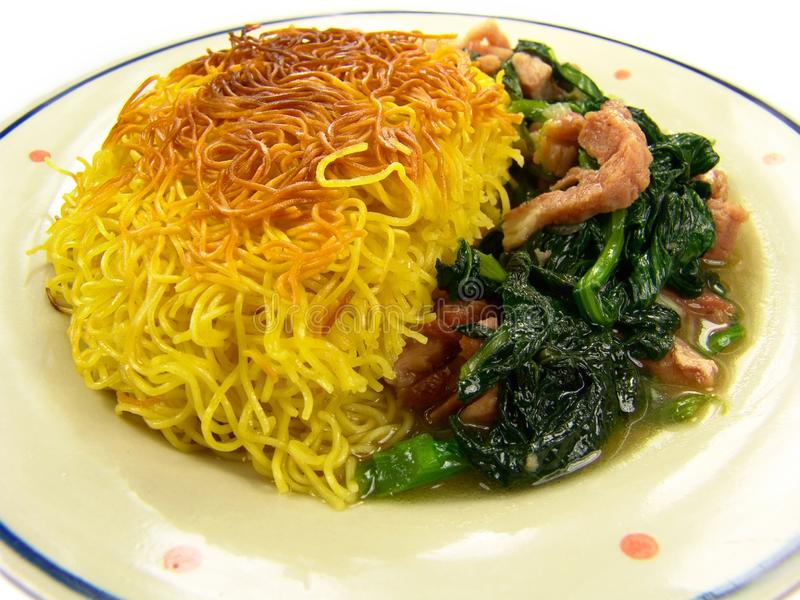
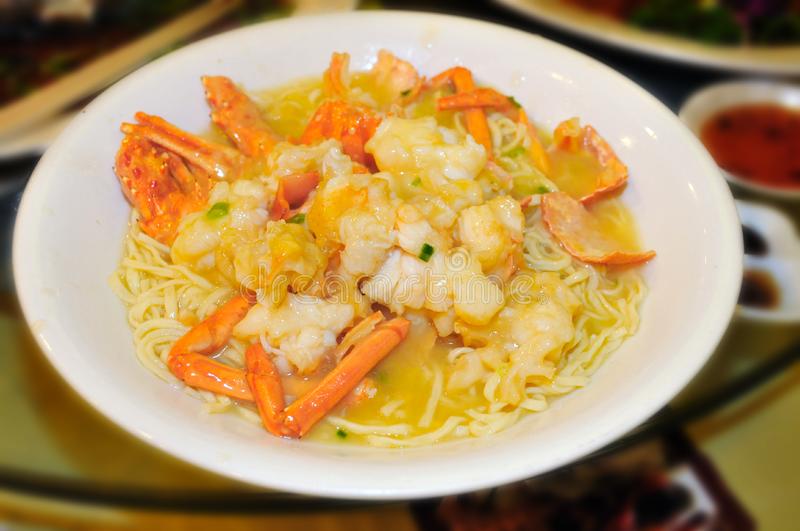

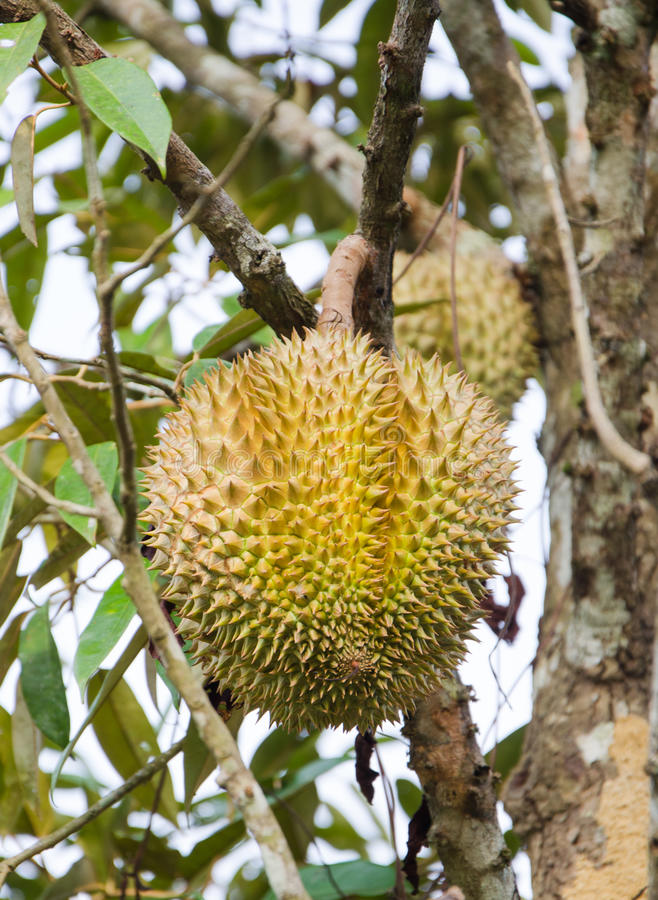
Durian pancakes, a controversial food with a taste and smell to be desired, i can assure you, is loved for its sweet and bitter taste as well as its fragrant aroma. The cake is called ‘Bika Ambon’, it’s not originated from Ambon which is a city in the far eastern part of Indonesia. It’s not clear why it is called this, but this chewy and sweet cake is good to eat while it is hot, but also perfect when cold.
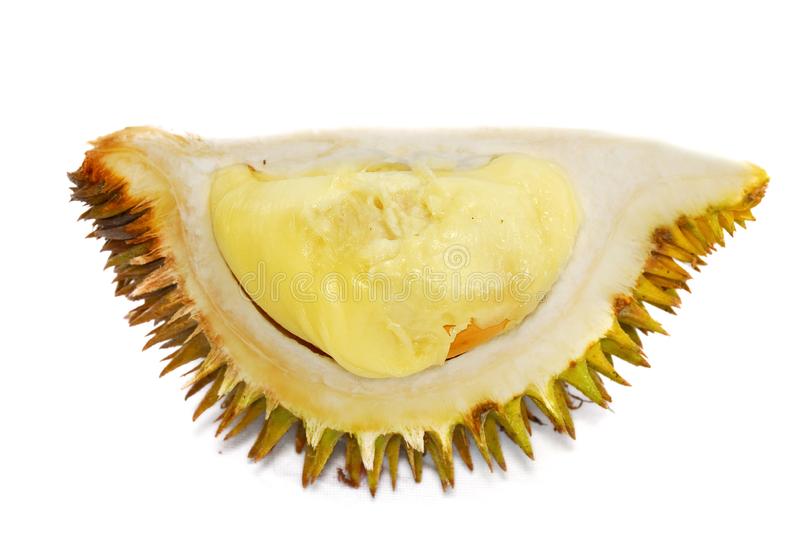


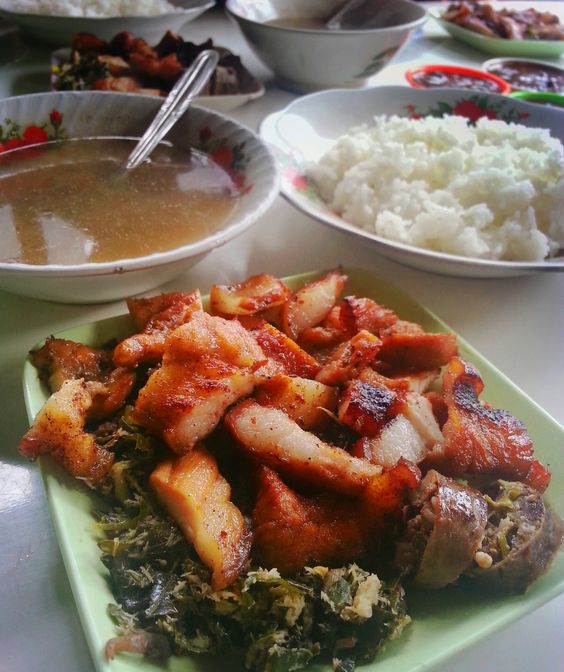
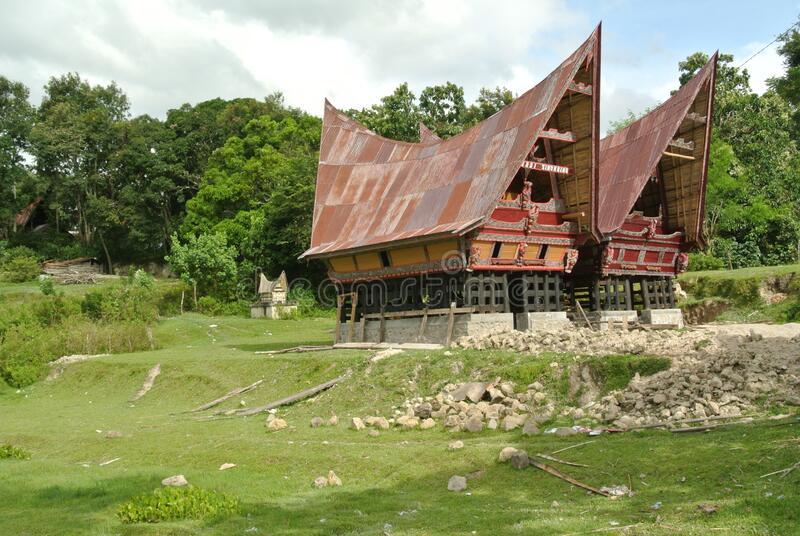
North Sumatra is the home of the “Batak” tribe. They have their own delicacies, including the most popular delicious dish ‘Babi Panggang Karo’, or ‘Karo Roasted Pork’, which is a local style of pork barbecue. The meat is crunchy, sweet, and served with steamed yam leaves, and green chilli sauce, as well as ‘tauco’, a sweet and salty red sauce made from fermented soybeans.




Another delicious dish is ‘Bihun Bebek’, a rice noodle dish mainly served with duck, instead of chicken or shrimp. They are the thinnest and softest type of rice noodles that can be found in many Chinese restaurants in Medan.
Palembang, the capital of Indonesia’s South Sumatran province, is a port city on the Musi River. The floating colourful markets and houses on stilts are spanned by the Ampera Bridge.



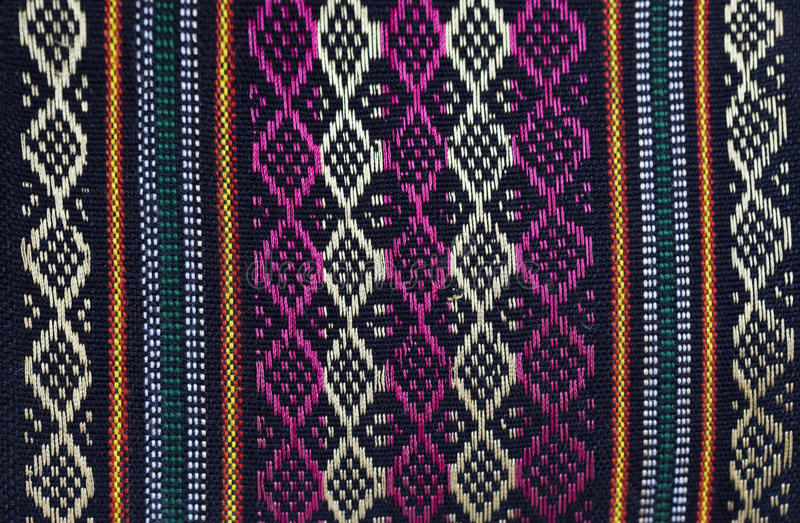
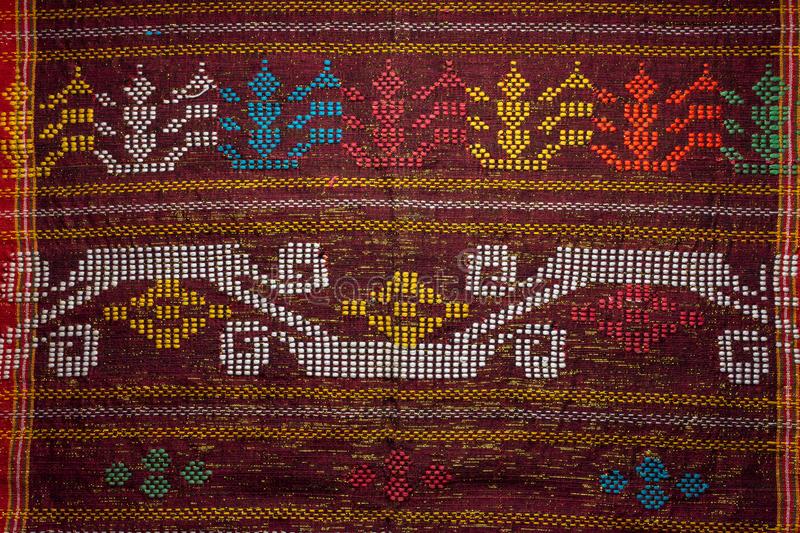
The fabrics of the Batak people are woven in bright colourful jewelled colours.
Tekwan, a traditional Indonesian fish ball soup, is believed to originate from the city of Palembang. The tekwan fish balls are made with fish paste, tapioca, and flour, then boiled or fried before being added to the soup. Usually it is fish or shrimp-based with mushrooms, dried lily flowers, with slices of jicama, garlic, and scallions which are served with the soup. Some varieties of the fish soup also include vermicelli noodles and other vegetables.

Sate, a dish from Padang, West Sumatra, is traditionally made with beef, consisting of pieces of marinated meat or offal, skewered and grilled. These are served in a thick, brown-coloured sauce, combined with meat broth, thickened with rice flour or rice water, and various spices, and served with ketupat (rice cakes).
Other varieties of sate including the Panjang version has more turmeric creating a vibrant yellow sauce, and Pariaman has more chilis giving it a typical red collour.
Rendang, a delicious Indonesian meat dish originates from the Minangkabau people in West Sumatra. Famous for its spiciness and long cooking procedure, often compared to Indian curry because of its unique flavours.
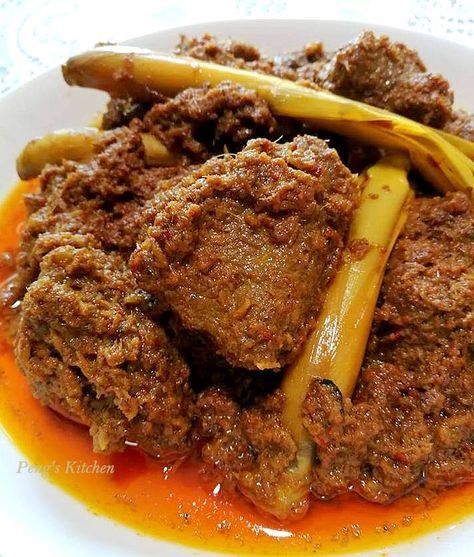
The theory about rendang, was that the generous use of spices and long cooking hours helped to preserve the meat in Indonesia’s hot tropical climate. So the need to preserve meat for longer periods began among the Minangkabau people.
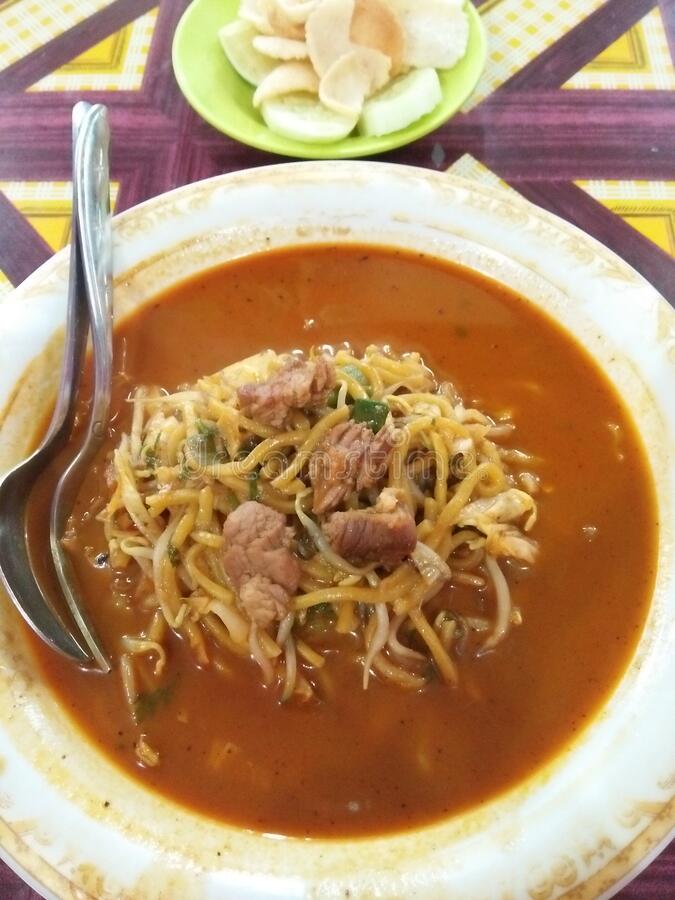
Aceh, named after its place of origin, Mie Aceh, is a spicy noodle dish in the form of a soup, topped with fried shallots, cucumber, and crackers. In addition to thick yellow noodles, it consists of beef, lamb, or seafood, as well as spring onions, garlic, bean sprouts, cabbage, and tomatoes.

The dish is generously seasoned with a spicy blend of chili peppers, shallots, garlic, cardamom, and cumin, and is commonly sold by street vendors or at hawker-style restaurants.
Pempek, a traditional Indonesian fish cake made with ground fish meat and tapioca, originates from the city of Palembang, in the South Sumatran province. The story goes, an old Palembang man who was tired of the traditional fried or grilled fish, thought of an innovative way to ground the meat, mix it with tapioca flour, and deep-fry it to get a crunchy and delicious snack.

He would then cycle through the city selling the fish cakes to Palembang citizens. Over time, pempek was recognized as a praise-worthy snack, and today it is a traditional Indonesian delicacy. These round or rectangular cakes are usually steamed, then just before serving, fried in vegetable oil, and cut into bite-sized pieces.
Laksan is another dish made from a mixture of ground fish meat and sago flour. This dish is usually eaten during religious festivities. The dough is shaped, boiled, and drained then finally simmered with coconut milk and some spices, consisting of chilies, shallots, garlic, bay leaves, and galangal. Sprinkle it with fried shallots, to make it more flavourful.
Kemplang, a type of fish cracker made from the same fish dough, is boiled, thinly sliced then dried in the sun. The chips are fried to a crisp and served with soupy dishes or fried noodles.

Makuba cake, a favourite dish among the Palembang people, has a fluffy, delicate texture and the flavour is sugary, yet luscious. Duck eggs and condensed milk are used to create the primary layers of this dish, coming together through a slow cooking process of eight hours. This deliciously luscious dessert is often used as an offering and presented in local celebrations.

Mie celor, a typical Indonesian dish of yellow noodles, is doused in coconut gravy and served with shrimp, boiled egg, and bean sprouts. Occasionally topped with celery, spring onion, chicken, and fried shallots.
Martabak har, both legendary and phenomenal, is unlike other typical egg dishes. It is soaked in a curry gravy, a yellow broth comprising of turmeric, nutmeg flower, cinnamon, chilies, curry leaves, diced potatoes, and coconut milk. A vinegar sauce can also be added for a variation in flavour.
Kue srikaya, an egg-based cake found throughout Palembang and traditional markets, is made from a batter of eggs, sugar, and coconut milk, and has sweet and savoury flavour. The green colour is obtained from aromatic pandan leaves which the cake is put into and steamed for about fifteen minutes.
Celimpungan, also very similar to tekwan, is bigger in shape. It is simmered in a coconut milk gravy with turmeric, pepper, and bay leaves giving the dish an enriching flavour.
Model, a soup dish, consists of fish balls, rice vermicelli, and aromatic clear shrimp broth. Sometimes including ear mushrooms, cucumber, prawns, fried shallots, and served with vinegar sauce.
Although Palembang’s food comprises mainly of fish dough, coconut milk, and vinegar sauce, it is still delicious.
My favourite dishes consist of spicy, chilli, juicy plump prawns served on basmati rice, and covered in a delicious aromatic spicy sauce. Freshly caught fish and large fresh water prawns cooked over a fire, along with an assortment of smaller dishes consisting of spicy vegetables and other delicious delicacies. Indonesia is certainly the spice centre of rich flavours.

Being in lockdown for two and half years, and away from my husband, was quite a challenge. Many memories have been created over those years in South Africa and will remain cherished memories over time.

Late November 2021, my husband flew back to South Africa. We took a trip into the midlands of KwaZulu Natal, to spend quality time with family. Wake each morning to misty rain, the smell of damp earth, and a ginger cat. He was skittish and rather wary of humans. Only when it suited him did he cuddle up to me.
I would call the ginger cat and he would give a quiet meow for a tomcat, then rub himself against my legs. He slept on our bed a couple of times, then took to sleeping on a chair inside. During the day he would sleep on the garden steps and sometimes in the garden amongst the flowers, watching me from a distance. Being partly feral partly domesticated, I wondered whether he would find himself a master, or would he revert to being feral once again?

Another pandemic variant, another lockdown, as we entered the New Year of 2022. Flights were delayed as we watched the lockdowns take place around the world. Panic set in, wondering how and when my husband would be able to return to Indonesia.
By January 10th my husband was able to fly out of South Africa, in a roundabout way via a couple of countries before ending back in Indonesia. Who thought it would take a month to get back to Indonesia!
Now March 2022, floods, and total devastation in KwaZulu Natal. Houses, roads, and bridges were destroyed; families and animals were lost in raging waters and mudslides. What more can we endure! How many more bridges do we have to cross to get to the other side, and once again, start to live a normal life as best we can!
During these past couple of years in South Africa, I have spent precious time with family and learned about the true priorities of life. To cherish our loved ones, as we never know what tomorrow will bring. Now finally 2022 is the year I will leave South Africa, and continue my journey back in Indonesia.
This quote from “Lessons taught by Life”, really spoke to me.
You can smile because they lived,
or cry because they’re gone.
Close your eyes and pray they will
come back, or you can open your eyes and
see all that they left for you. Your heart can
be sad because you can’t see them, or
full of the love you shared.
You can forget about tomorrow and
live for yesterday, or you can be happy for
tomorrow because of yesterday. You can
cherish their memory,
or remember only that they have gone.
You can cry and not accept,
or you can do what they
would want. Open your heart and smile,
love…and go on.
What is important to me, is living a life of purpose and meaning. Living my life in a way I want to be remembered, and looking back at the end of my life having no regrets.

Diane Ackerman once quoted, “I don’t want to get to the end of my life and find I have lived just the length of it. I want to have lived the breadth of it as well.”
No matter how many bridges I still must cross in my life, the past two and a half years was only a moment in time.
 janiceekat57
 lukeseatravels
 JungleLife by Kat